
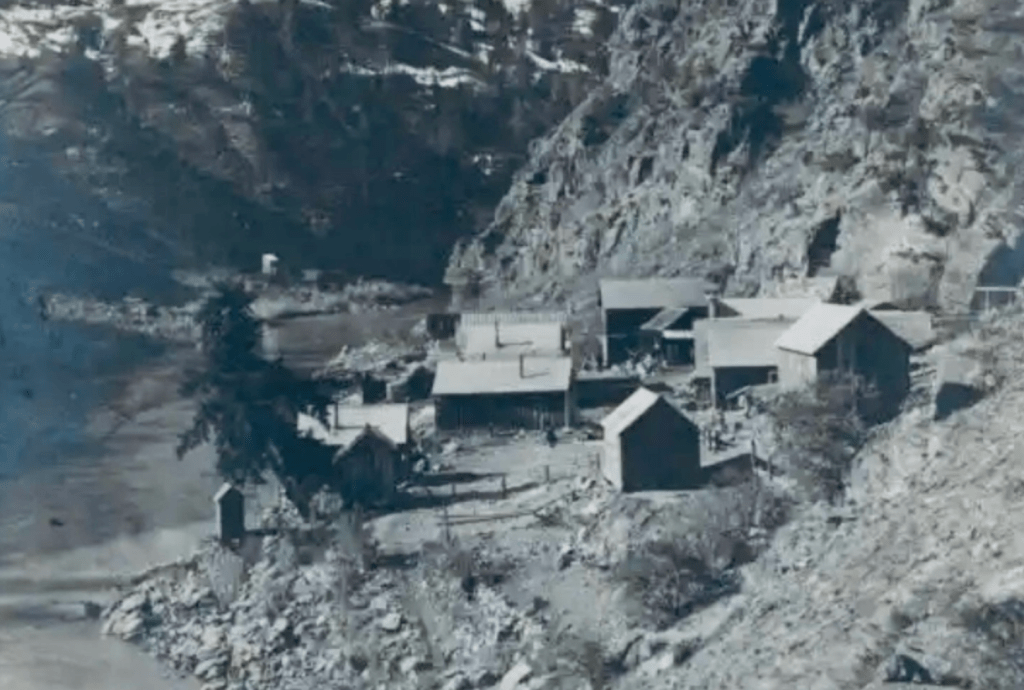
Shoup, Idaho, sits quietly along the Salmon River, nestled in a remote canyon where only the sounds of rushing water and the occasional adventurer break the silence. Although it is now a near ghost town, Shoup holds a fascinating legacy as one of Idaho’s many mining communities that rose during the gold rush of the late 19th century. Despite its isolation and small population today, the town’s history weaves together stories of rugged individualism, economic boom and bust, and the unyielding frontier spirit that shaped much of the American West.
This quaint place was only a store, some gas pumps, a mining mill house, and some cabins when I was a kid in the 1970s. My dad and I traveled the Salmon River road numerous times each summer hauling boats to Corn Creek – the end of the road. Almost always, we stopped and bought some old-fashioned licorice and soda pop from the store and then continued on our way.
One time in the late 1960s, we stopped and dad filled our tank from the old fashioned fuel pumps sitting in front of the store.
“Watch this, kids! This is how we did it when I was your age,” he said. Our eyes were glued to the scene as he manually pumped gas to the filler-reservoir on top of the pump, then drained it into our ’65 VW bus’ gas tank.
From that day forward, Shoup occupied a place in my mind labeled, “The place with old-fashioned pumps and great licorice.” Funny what impresses us as kids and forever stays put in our minds.
The Founding of Shoup: Gold and Opportunity
Shoup was established in 1881 at the height of Idaho’s mining boom. The town received its name in honor of George L. Shoup, Idaho’s last territorial governor and its first governor after statehood in 1890. Shoup, a Civil War veteran and businessman, recognized the potential of Idaho’s mining districts and encouraged settlement and investment in the region.
The following early historical account of Shoup’s beginnings was recorded in this 1980 Idaho State Historical Society reference series entitled, “Shoup and Ulysses” #386.
“Several independent prospectors based at Leesburg began to placer some Salmon River bars at Shoup in 1868 and 1869, but lode discoveries there were delayed for more than a decade. Eventually Samuel James and Pat O’Hara came along late in 1881. Arriving at Pine Creek November 24, they spent more than two weeks prospecting before identifying a major lode–The Grunter.
Sam James later described their problems in hunting for gold to Jay A. Czizek (an early Idaho state mine inspector who had lived at Shoup in 1889), who reported their difficulties in detail: Undaunted by all obstacles which then beset their way, such as being the most unfavorable time of year for mountain travel, having to make their own trails in whatever direction they went, the river freezing and full of floating ice, but these were but trifling annoyances in comparison to a degraded remnant of a most fiendish tribe of Indians which then lurked about the hills.” (See the full document below.)
The Mineral Hill District, where Shoup is located, later became a magnet for prospectors drawn by reports of gold and other precious metals in the nearby hills and rivers. Placer gold mining, where miners sifted gold from gravel in the riverbeds, was common in the early years. However, as surface deposits were exhausted, lode mining began, which involved tunneling into the mountainside to reach the veins of gold embedded in the rock underground.
The town quickly grew to support the miners and their operations. By the 1890s, there were more than 300 claims in the area, with prominent mines like the Clipper-Bullion and Gold Hill Mines leading the charge. These mines produced substantial quantities of gold and quartz, fueling the local economy and creating jobs for hundreds of miners. At its peak, Shoup’s population swelled to around 600 people, with a mix of miners, merchants, and families making up the community.
The Vital Role of Packers and Riverboats
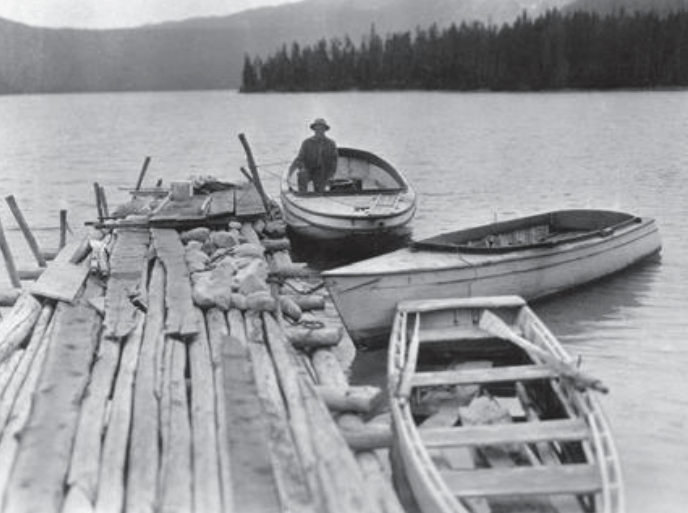
Shoup’s remote location along the Salmon River made transportation and supply routes difficult. The town was cut off from the rest of the region by steep mountains, dense forests, and the untamable river. In this challenging environment, packers played a critical role in keeping Shoup and the surrounding mining camps functional. Packers like James B. “Captain” Ellis became local legends for their ability to navigate treacherous mountain trails and the swift currents of the Salmon River.
Ellis, who also operated riverboats along the Salmon River, was instrumental in ferrying goods up and down the river, allowing miners to receive the tools, food, and other supplies necessary for their survival. The trail across from Shoup was used by packers to reach remote mining camps further into the wilderness. Without these dedicated transporters, mining operations in the area would have struggled to survive.
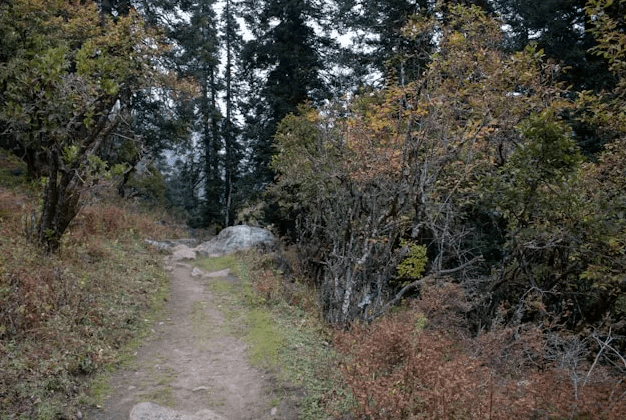
My Great Grandfather Victor Hicks and my Grandpa Harry were two such packers, as well. Grandpa was around 11 years-old when he began working full time with his dad in the packing business in the early 1900s. The trail they ran their pack string can still be seen on the opposite side of the river from the road. Grandpa could sit in his old rocking chair and tell stories for hours about his experiences packing along the river.
The Decline of Shoup
Like many mining towns in the American West, Shoup’s fortunes were closely tied to the success of local mining operations. As the mining industry petered-out, the need for a bustling supply hub diminished. By the early 20th century, mining activity began to slow, and many residents moved on to more prosperous areas. The town’s population dwindled, and many of the old mining cabins and mills were abandoned.
Despite the decline, Shoup remained a small but active outpost for decades, serving the few ranchers and adventurers who lived in the area. In the mid-20th century, the Shoup store continued to operate, catering to locals and visitors with handmade goods, fuel, and groceries. The store became a focal point for the dwindling community, a place where stories of the town’s mining heyday lived on .
Shoup Today: A Quiet Remnant of the Past
Today, Shoup stands as a quiet reminder of Idaho’s gold rush history. With only a handful of residents, Shoup has become a destination for history buffs, fishermen, hunters, and those seeking solitude in the rugged Salmon River Canyon. Visitors can stop by the Shoup store, which (the last I heard) still operates as a general store and serves as a gathering place for those passing through the area.
The town is dotted with remnants of its mining past—old mills, mining cabins, and equipment that speak to a bygone era. While the glory days of gold mining have long since passed, Shoup continues to attract adventurers who are drawn to its scenic beauty and the echoes of its rich history.
A Legacy of Resilience
Shoup’s story is one of resilience and adaptation. From its origins as a booming mining town to its present status as a near ghost town, Shoup embodies the challenges and opportunities of life in that corner of Idaho. Those with the fortitude to keep the outpost alive in often harsh conditions is a testament to the strength and determination of the people who still call Shoup home. Today, the place still offers visitors a chance to step back in time and experience the unyielding spirit of Idahoans firsthand.
Whether you’re fishing along the Salmon River, hiking the old pack trails, or exploring the remains of the mining cabins, folks can reflect on the people and events that shaped this unique part of Idaho’s history.

 HICKS FAMILY HISTORY
Leave a comment